
Maximizing Installed Antenna Performance for Commercial Use
In the world of commercial communications, the performance of installed antennas can make or break connectivity. Whether you are in a bustling urban environment or a remote location, the effectiveness of your antenna directly impacts your ability to transmit and receive signals. This blog post will explore practical strategies to maximize antenna performance, ensuring that your commercial operations run smoothly and efficiently.

Understanding Antenna Basics
Before diving into performance optimization, it's essential to understand the basic principles of antennas. An antenna is a device that converts electrical energy into radio waves and vice versa. The efficiency of an antenna depends on several factors, including its design, placement, and the environment in which it operates.
Types of Antennas
There are various types of antennas used in commercial applications, each with its unique characteristics:
Dipole Antennas: Simple and effective, these antennas are often used for short-range communication.
Yagi Antennas: Known for their directional capabilities, Yagi antennas are ideal for long-distance communication.
Omnidirectional Antennas: These antennas radiate signals in all directions, making them suitable for general coverage.
Parabolic Antennas: Often used for satellite communication, these antennas focus signals in a specific direction.
Understanding the type of antenna best suited for your needs is the first step in maximizing performance.
Placement Matters
The placement of your antenna is crucial for optimal performance. Here are some key considerations:
Height and Location
Elevate the Antenna: The higher the antenna, the better the line of sight to the transmitting and receiving stations. This reduces obstructions and enhances signal quality.
Avoid Obstacles: Ensure that the antenna is free from physical obstructions such as buildings, trees, and other structures that can interfere with signal transmission.
Orientation
Adjust the Angle: The orientation of the antenna can significantly impact its performance. Experiment with different angles to find the optimal position for signal reception.
Consider Polarization: Antennas can be vertically or horizontally polarized. Ensure that your antenna's polarization matches that of the transmitting signal for maximum efficiency.
Environmental Factors
The environment plays a significant role in antenna performance. Here are some factors to consider:
Weather Conditions
Wind and Rain: Extreme weather conditions can affect signal quality. Ensure that your antenna is securely mounted to withstand harsh weather.
Temperature Variations: Temperature changes can impact the materials used in antennas. Choose antennas made from durable materials that can withstand temperature fluctuations.
Electromagnetic Interference
Identify Sources of Interference: Common sources of interference include power lines, electronic devices, and other antennas. Conduct a site survey to identify potential interference sources.
Use Filters: Implementing filters can help reduce unwanted signals and improve overall performance.
Regular Maintenance
Maintaining your antenna system is essential for long-term performance. Here are some maintenance tips:
Routine Inspections
Check Connections: Regularly inspect all connections for corrosion or wear. Loose or corroded connections can lead to signal loss.
Clean the Antenna: Dust and debris can accumulate on antennas, affecting performance. Clean the antenna periodically to ensure optimal signal reception.
Upgrades and Replacements
Stay Updated: Technology is constantly evolving. Consider upgrading to newer antenna models that offer improved performance and features.
Replace Damaged Components: If any part of the antenna system is damaged, replace it promptly to avoid performance degradation.
Testing and Monitoring
To ensure that your antenna is performing at its best, regular testing and monitoring are essential. Here are some strategies:
Signal Strength Testing
Use a Signal Meter: A signal meter can help you measure the strength of the received signal. This information can guide adjustments to antenna placement and orientation.
Conduct Regular Tests: Schedule regular testing to monitor performance over time. This will help you identify any issues early on.
Performance Monitoring Tools
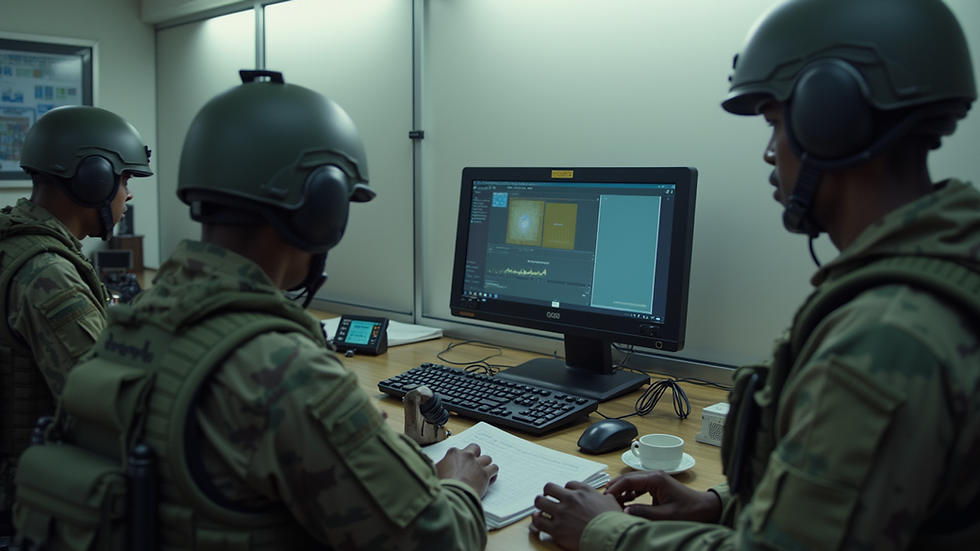
Implement Monitoring Software: Utilize software tools that can provide real-time data on signal strength, quality, and other performance metrics.
Analyze Data: Regularly review performance data to identify trends and make informed decisions about potential adjustments or upgrades.
Conclusion
Maximizing the performance of installed antennas for commercial use requires a combination of strategic placement, environmental awareness, regular maintenance, and ongoing testing. By understanding the fundamentals of antennas and implementing these practical strategies, you can ensure reliable connectivity for your commercial operations.
Take action today by evaluating your current antenna setup and considering adjustments that could enhance performance. Whether it's repositioning your antenna, upgrading to a more efficient model, or implementing monitoring tools, every step you take can lead to improved communication capabilities.
Comments