
Understanding RF Cosite Interference in Military Applications
Radio Frequency (RF) cosite interference is a critical concern in military applications, where communication and radar systems must operate seamlessly to ensure mission success. As military operations become increasingly reliant on advanced technology, understanding the nuances of RF interference becomes essential. This blog post delves into the intricacies of RF cosite interference, its implications in military settings, and strategies to mitigate its effects.
What is RF Cosite Interference?
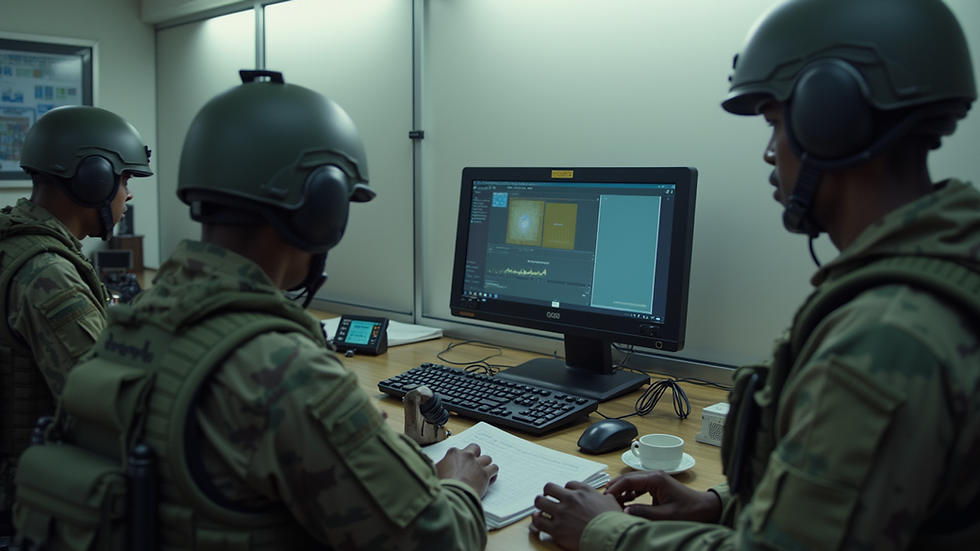
RF cosite interference occurs when multiple RF systems operate in close proximity, leading to signal degradation or disruption. This phenomenon can severely impact communication, navigation, and surveillance systems, which are vital for military operations.
Key Characteristics of RF Cosite Interference
Frequency Overlap: When two or more systems operate on similar frequencies, they can interfere with each other, causing signal distortion.
Signal Strength: The strength of the interfering signal can overpower the desired signal, leading to loss of communication.
Environmental Factors: Physical obstructions, atmospheric conditions, and terrain can exacerbate interference issues.
Understanding these characteristics is crucial for military planners and engineers to design effective communication systems.
The Impact of RF Cosite Interference in Military Operations
The implications of RF cosite interference in military applications are profound. Here are some of the most significant impacts:
Communication Breakdown
In military operations, clear communication is paramount. RF interference can lead to:
Loss of Critical Information: Important messages may not be transmitted or received, jeopardizing mission objectives.
Increased Response Times: Delays in communication can slow down decision-making processes, affecting operational efficiency.
Compromised Situational Awareness
Military personnel rely on accurate data from various sensors and communication systems to maintain situational awareness. RF interference can lead to:
Inaccurate Data: Sensor readings may be distorted, leading to poor tactical decisions.
Reduced Operational Effectiveness: The inability to accurately assess the battlefield can hinder mission success.
Safety Risks
In high-stakes military environments, RF interference can pose safety risks, including:
Friendly Fire Incidents: Miscommunication or inaccurate targeting data can lead to tragic mistakes.
Increased Vulnerability: Compromised communication systems can expose troops to enemy actions.
Case Studies: RF Cosite Interference in Action
To illustrate the real-world implications of RF cosite interference, let’s examine a few case studies from military operations.
Case Study 1: Joint Military Exercises
During joint military exercises involving multiple branches of the armed forces, RF cosite interference was observed when various communication systems operated simultaneously. The overlapping frequencies led to significant communication delays, resulting in confusion among units. This incident highlighted the need for better frequency management and coordination among different military branches.
Case Study 2: Combat Operations
In a combat scenario, RF interference caused by nearby radar systems led to the failure of communication between ground troops and air support. The inability to relay critical information resulted in a missed opportunity for airstrikes, demonstrating how RF interference can directly impact mission outcomes.
Strategies for Mitigating RF Cosite Interference
Given the potential consequences of RF cosite interference, military organizations must adopt strategies to mitigate its effects. Here are some effective approaches:
Frequency Management
Implementing a robust frequency management plan can help minimize interference. This includes:
Frequency Allocation: Assigning specific frequencies to different systems to avoid overlap.
Dynamic Frequency Selection: Utilizing technology that allows systems to switch frequencies in real-time to avoid interference.
Advanced Technology Solutions
Investing in advanced technology can significantly reduce RF interference. Some solutions include:
Adaptive Filtering: Using algorithms that can filter out unwanted signals, enhancing the clarity of desired communications.
Directional Antennas: Employing antennas that focus on specific directions can help minimize interference from unwanted sources.
Training and Awareness
Educating military personnel about RF cosite interference is crucial. Training programs should focus on:
Recognizing Interference: Teaching personnel to identify signs of RF interference in real-time.
Effective Communication Protocols: Establishing clear communication protocols to follow during interference incidents.
Future Trends in RF Cosite Interference Management
As technology evolves, so do the strategies for managing RF cosite interference. Here are some future trends to watch:
Integration of AI and Machine Learning
Artificial intelligence (AI) and machine learning can play a pivotal role in managing RF interference. These technologies can analyze vast amounts of data to predict interference patterns and suggest optimal frequency usage.
Enhanced Spectrum Monitoring
The development of advanced spectrum monitoring tools will allow military organizations to track RF activity in real-time. This capability can help identify potential interference sources before they become problematic.
Collaborative Approaches
Collaboration between military branches and private sector technology firms can lead to innovative solutions for RF interference. Joint research and development initiatives can foster the creation of cutting-edge technologies tailored to military needs.
Conclusion
RF cosite interference poses significant challenges in military applications, impacting communication, situational awareness, and overall mission success. By understanding the nature of this interference and implementing effective strategies for mitigation, military organizations can enhance their operational capabilities. As technology continues to advance, staying ahead of RF interference will be crucial for maintaining a tactical advantage on the battlefield.
In light of these insights, military planners and engineers should prioritize RF interference management in their operational strategies. By doing so, they can ensure that communication systems remain robust and reliable, ultimately supporting mission success in an increasingly complex operational environment.

Comments